



Conversations on Reforestation, Silviculture, Tree Genetics, Planting, Planning and More! Join us as we go deep with forestry experts and explore the art and science of trees.
How do you plan for the next rotation when the markets around you are changing?
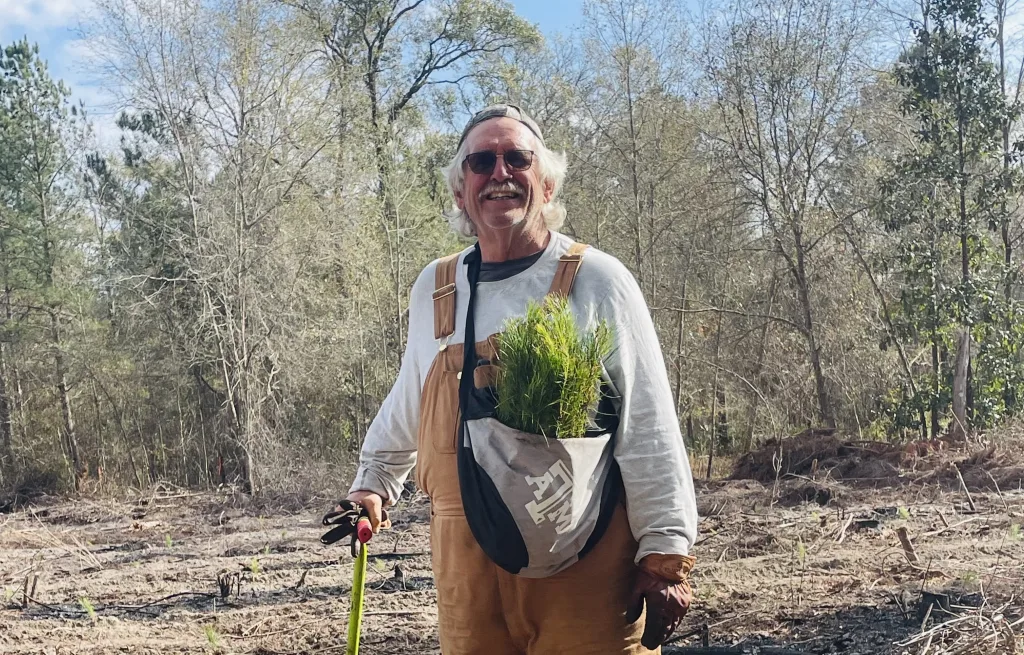
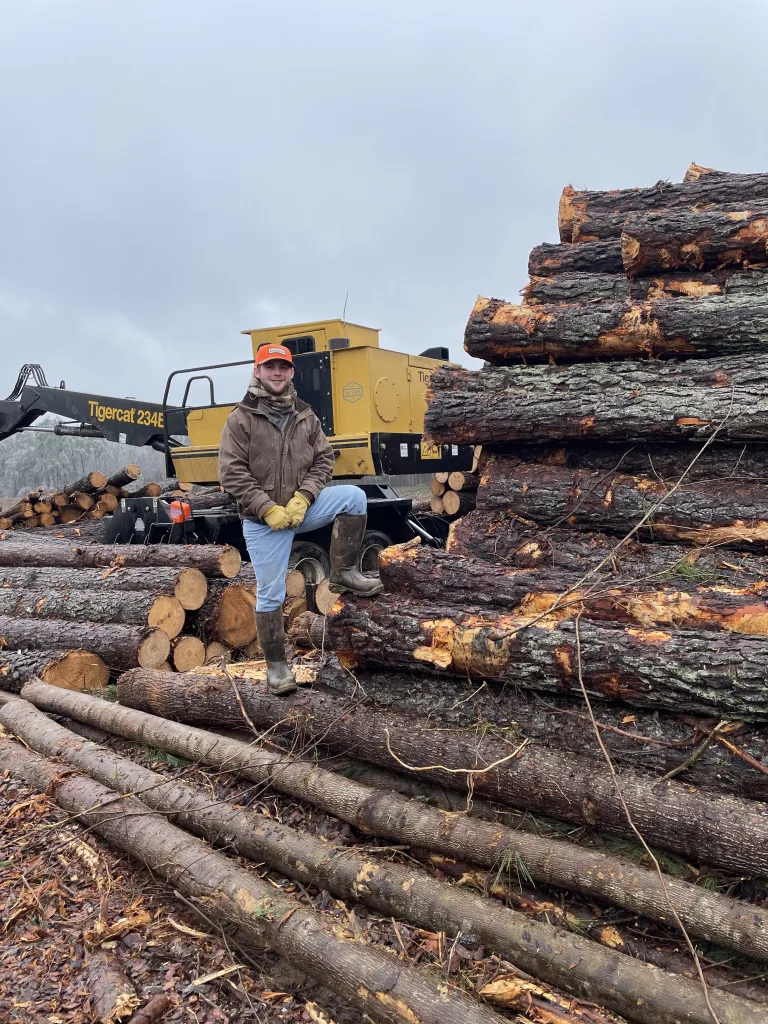
In this episode of the TreeLines Podcast, Dr. Paul Jeffreys sits down with Steven Peter, President of South Paw Forest Products, Inc., and ArborGen Reforestation Advisor Dr. Austin Heine for a conversation about connecting today’s planting decisions with tomorrow’s timber markets.
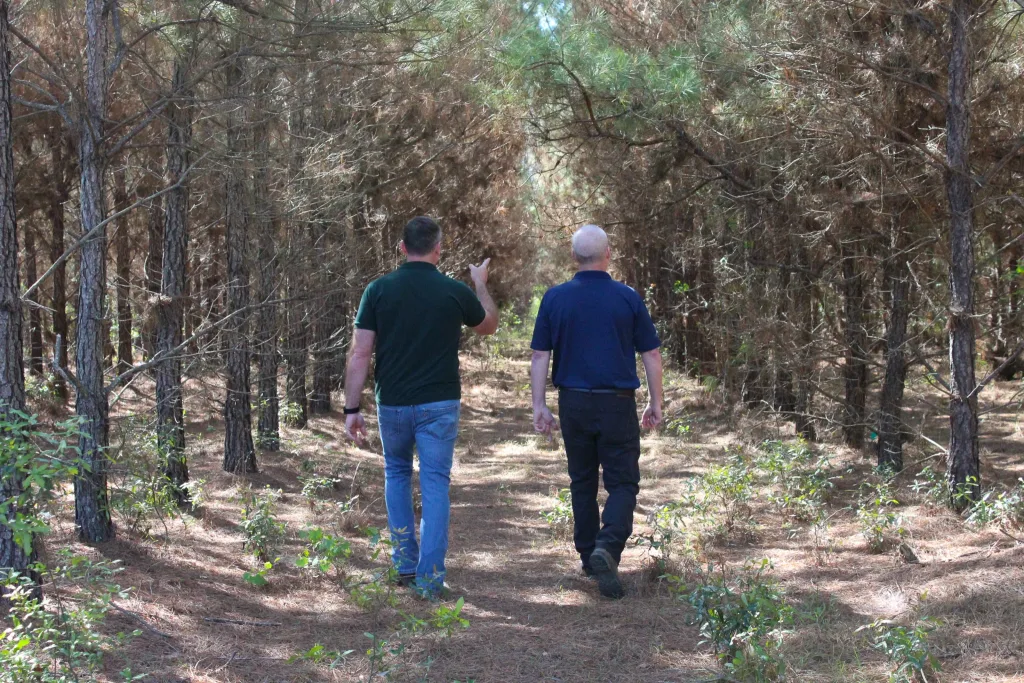
Steven has experienced forestry from nearly every angle—as a forester, logger, landowner, and business owner working closely with mills. Drawing on his experience in eastern Virginia, he explains how pulpwood market challenges and changing harvesting realities have led him to rethink planting density, focus on sawtimber, and experiment with wider spacing.
Dr. Heine connects those practical experiences to tree improvement, explaining why genetics matter when planting fewer trees and how stand design can support landowners’ long-term goals.
Topics covered include:
• Changing pulpwood markets and the challenges surrounding first thinnings.
• Understanding nearby mills and the products they need.
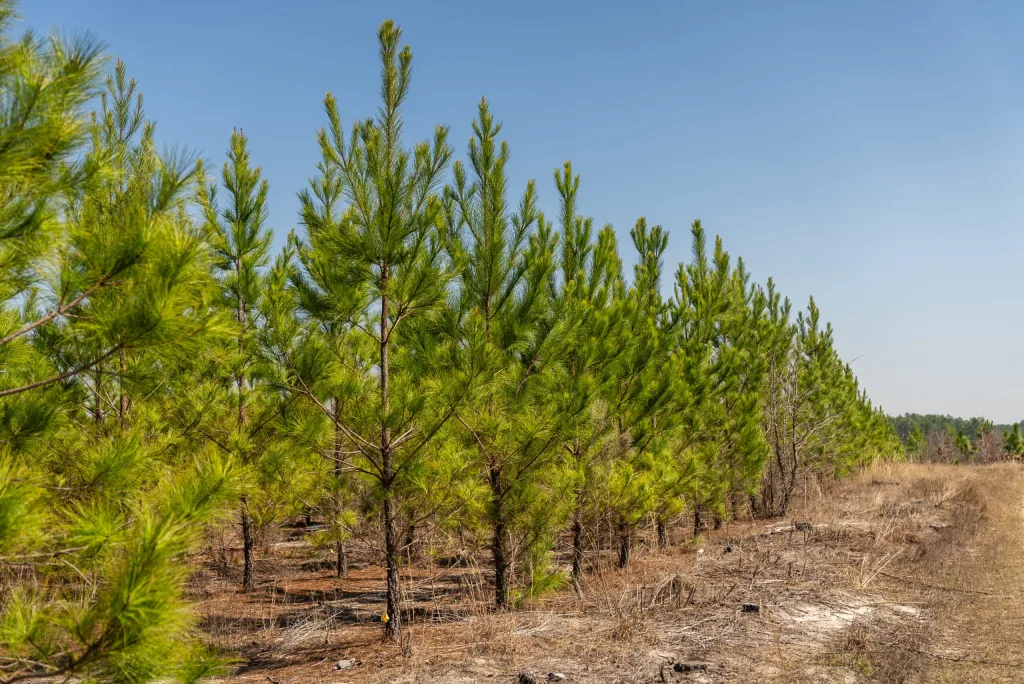
• Steven’s experience planting 300 trees per acre.
• The relationship between planting density, genetics, and sawtimber potential.
• Balancing timber production with wildlife, aesthetics, and recreation.
• Helping families keep their land in timber.
• Staying informed and involved through forestry associations.
Whether you’re planning your next planting or thinking through the future of an existing stand, this conversation offers a practical look at adapting your approach as conditions change.
Resources & Links
- ArborGen Website: https://www.arborgen.com/
- Connect with a Reforestation Advisor: https://www.arborgen.com/reforestation-advisors/
- TreeLines Newsletter: https://www.arborgen.com/category/treelines/
Follow the TreeLines Podcast on your favorite podcast platform for more conversations connecting forestry science with decisions on the ground.