Choosing the Right Seedling Type
Seedling type can influence planting flexibility, handling, establishment, and early stand development. ArborGen offers both bareroot and containerized seedlings to support a variety of site conditions, planting windows, and management strategies.
The best option depends on your land, planting goals, operational needs, and environmental conditions.
Container vs. Bareroot Seedlings
Seedling type can influence planting flexibility, handling, establishment, and early stand development. ArborGen offers both bareroot and containerized seedlings to support a variety of site conditions, planting windows, and management strategies.
The best option depends on your land, planting goals, operational needs, and environmental conditions.
Understanding the Difference
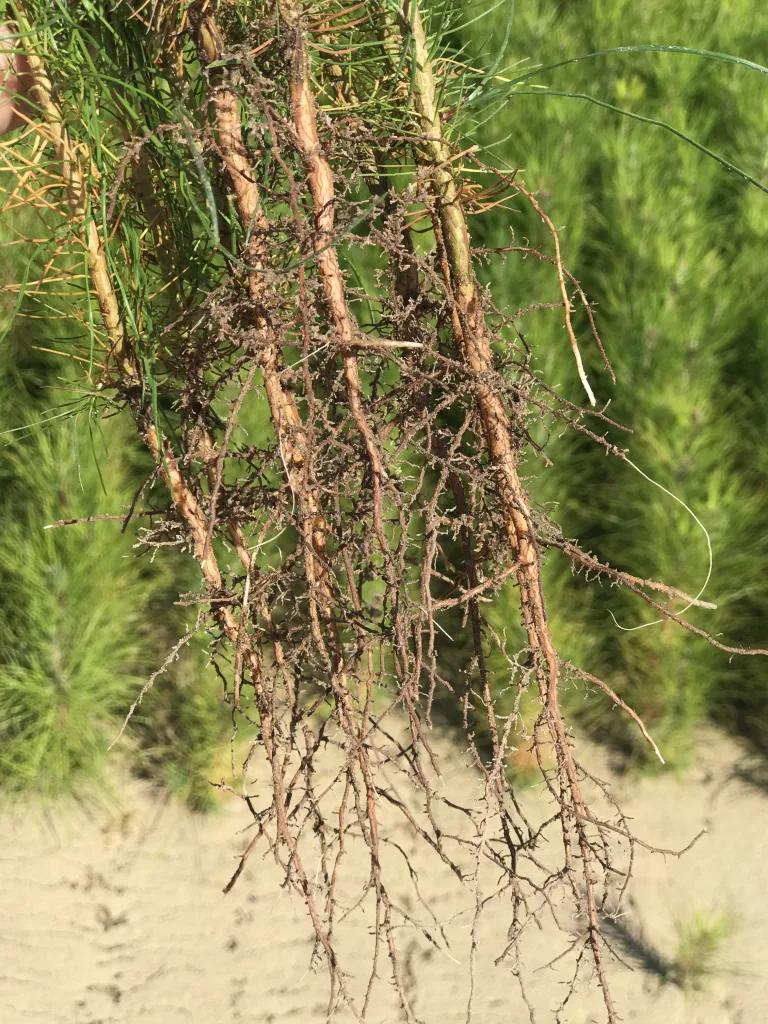
Bareroot Seedlings
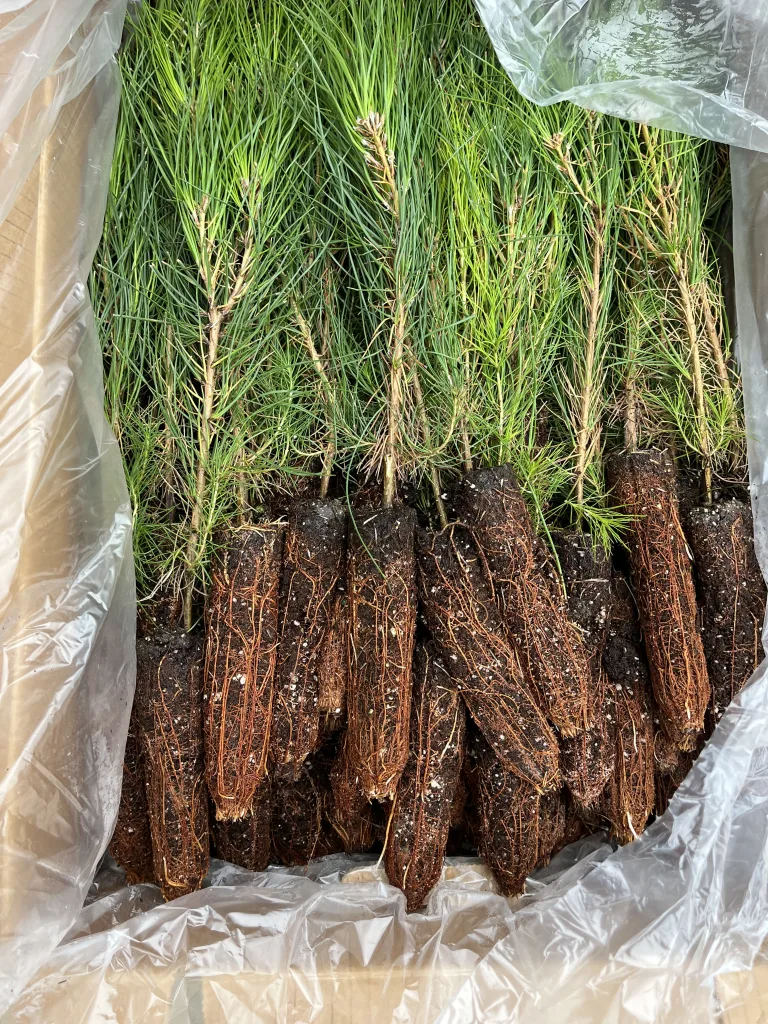
Grown in nursery beds and lifted during dormancy before planting.
- Roots are exposed during handling and planting
- Widely used across the Southeast
- Common for large-scale winter planting projects
Containerized Seedlings
Grown in specialized containers designed to protect the root system.
- Root plug remains intact during planting
- Supports planting flexibility
- Often beneficial for challenging site conditions
How to Choose What's Best For You
When Bareroot Makes Sense
Bareroot seedlings remain the standard choice for many forestry operations throughout the Southeast due to their efficiency, scalability, and proven field performance.
Best Suited For:
- Traditional winter planting seasons
- Large-acreage planting projects
- Cost-conscious management strategies
- Operational efficiency at scale
When Containerized Makes Sense
Containerized seedlings offer greater planting flexibility and root protection, making them well-suited for certain environmental conditions and operational needs.
Best Suited For:
- Challenging site conditions
- Extended planting windows
- Variable weather conditions
Available Seedling Options
Bareroot Availability
- Loblolly Pine (OP through MCP Pro+)
- Slash Pine (OP & OP Pro)
- Pitch x Loblolly Pine
- Virginia Pine
- All hardwood varieties
Containerized Availability
- Loblolly Pine (OP through MCP Pro+)
- Slash Pine (OP & OP Pro)
- Longleaf Pine
When Bareroot Makes Sense
Bareroot seedlings remain the standard choice for many forestry operations throughout the Southeast due to their efficiency, scalability, and proven field performance.
Best Suited For:
- Traditional winter planting seasons
- Large-acreage planting projects
- Cost-conscious management strategies
- Operational efficiency at scale
When Containerized Makes Sense
Containerized seedlings offer greater planting flexibility and root protection, making them well-suited for certain environmental conditions and operational needs.
Best Suited For:
- Challenging site conditions
- Extended planting windows
- Variable weather conditions
Which Seedling Type Is Right for You?
Site conditions, planting schedules, acreage, weather patterns, operational logistics, and management goals all influence whether bareroot or containerized seedlings are the best fit for a project.
Our Reforestation Advisors work directly with customers to evaluate planting strategies and recommend the right seedling type for their specific needs.
Frequently Asked Questions
Choosing between bareroot and containerized seedlings depends on several factors, including planting timing, site conditions, operational needs, and long-term management goals. Here are answers to some of the most common questions landowners and forestry professionals ask when evaluating seedling types.
Not necessarily – both seedling types can perform very well when matched to the right planting conditions and management strategy.
Bareroot seedlings are efficient, proven, and commonly used for large-acreage planting projects, while containerized seedlings may offer advantages in planting flexibility, root protection, and challenging site conditions.
The best option depends on your property, operational goals, planting timeline, and environmental conditions.
Containerized seedlings typically require additional nursery infrastructure, handling, and production inputs compared to bareroot seedlings. They are grown individually within specialized containers designed to protect the root system and support planting flexibility.
For some customers, the added flexibility and establishment benefits can help support their overall planting strategy depending on site conditions and operational needs.
Bareroot seedlings are commonly used for large-acreage forestry operations because they are efficient to transport, store, and plant at scale during traditional planting seasons.
Many landowners and forestry professionals continue to rely on bareroot seedlings for operational efficiency and dependable field performance across broad planting programs.
Containerized seedlings are often selected for challenging planting environments where root protection, planting flexibility, or environmental conditions may impact establishment success.
However, site preparation, planting quality, weather conditions, and overall management practices still play a major role in stand establishment regardless of seedling type.
Containerized seedlings can offer greater flexibility for extending planting windows beyond traditional dormant-season planting periods, depending on regional conditions and weather patterns.
Planting timing should always be evaluated based on moisture availability, temperature, site preparation, and operational considerations.
Yes. Bareroot seedlings continue to support successful timber production across millions of acres throughout the Southeast. When paired with strong genetics, proper site preparation, and good planting practices, bareroot seedlings can provide excellent long-term stand performance and value.
Yes. ArborGen offers MCP® seedlings in both bareroot and containerized production systems depending on product availability and region. This allows customers to combine advanced genetics with the seedling type that best fits their planting strategy and operational needs.
Factors like site conditions, acreage, planting schedule, operational logistics, weather patterns, and management goals all influence seedling selection. ArborGen Reforestation Advisors work directly with landowners and forestry professionals to help determine the best seedling type for each unique planting project.
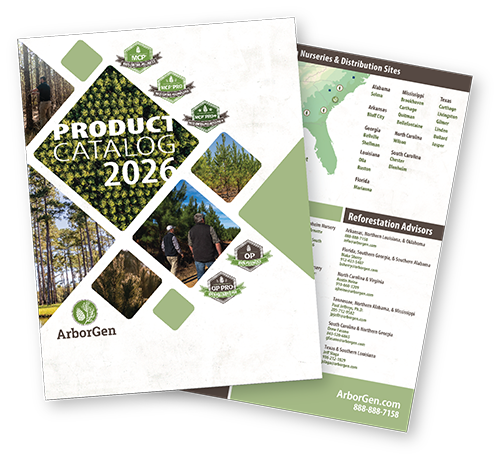
Get ArborGen's 2026 Seedling Catalog INSTANTLY!
From advanced MCP® genetics to hardwood and specialty seedlings, our product catalog provides a deeper look at the solutions available for your land and goals.
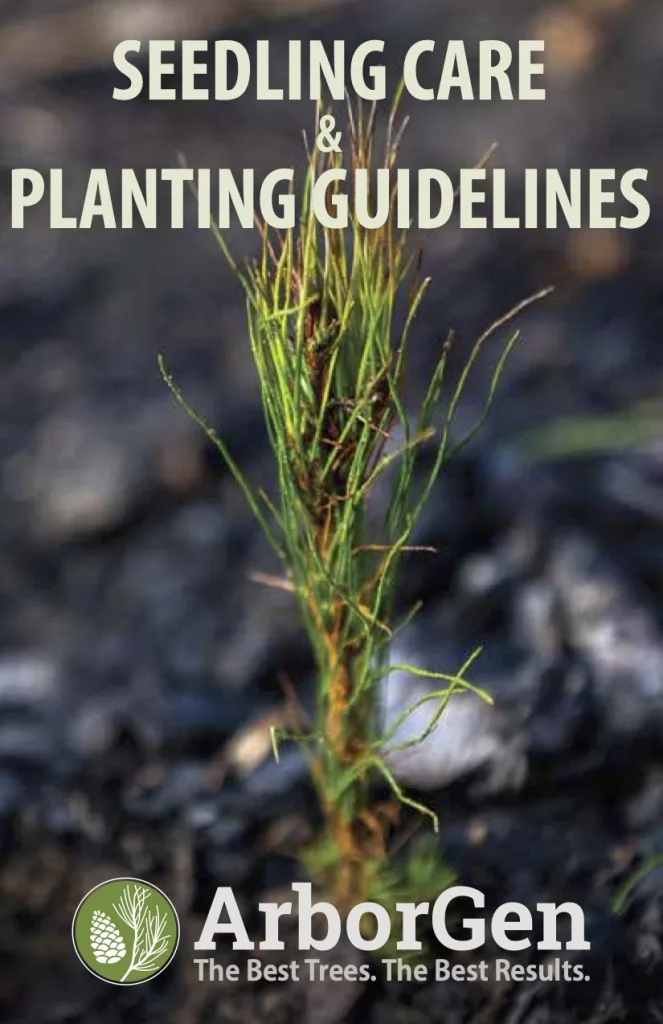
Seedling Care & Planting Guide
A practical guide covering seedling handling, storage, planting techniques, and best practices designed to help support successful stand establishment in the field.
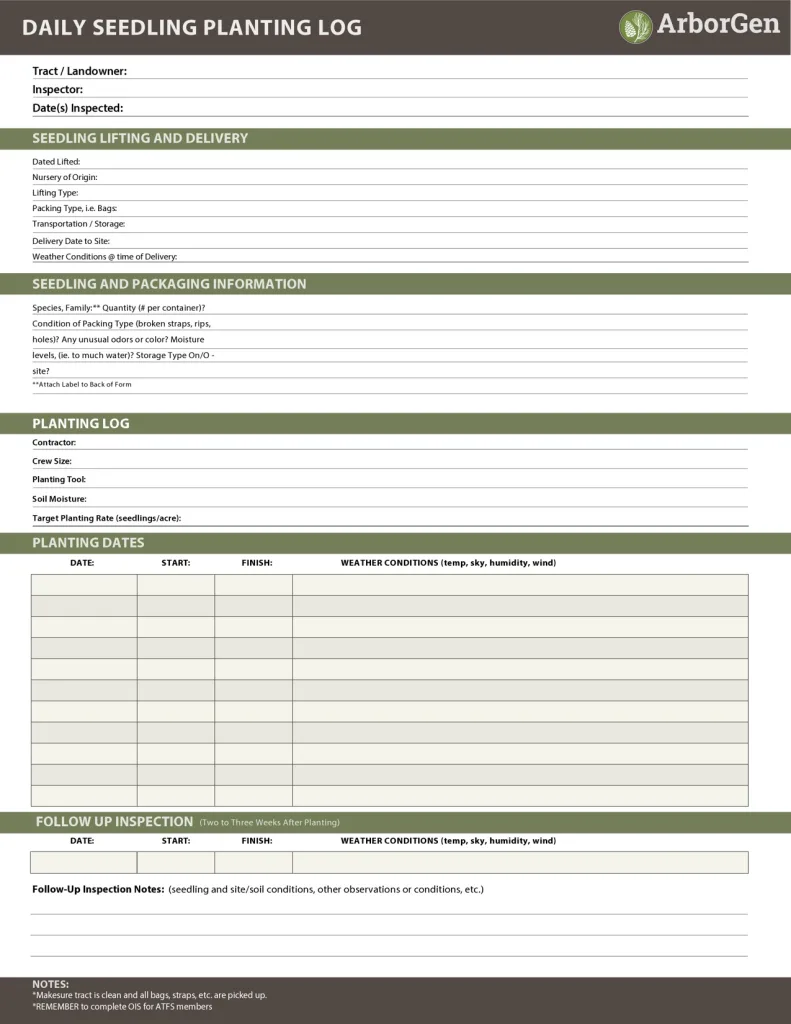
Daily Seedling Planting Log
A printable tracking tool designed to help planting crews and forestry professionals monitor daily planting conditions, seedling handling, weather, and operational details throughout planting season.
Trusted By