Forestry Knowledge Backed by Experience, Research & Real-World Results

Explore educational resources, forestry insights, research, tools, and field expertise designed to help landowners and forestry professionals make more informed planting and management decisions.
EduResourcesHeader

Education & Resources

Explore educational resources, forestry insights, research, tools, and field expertise designed to help landowners and forestry professionals make more informed planting and management decisions.

EduResourcesHeader

Check Out Our Blog

Stories from the Field
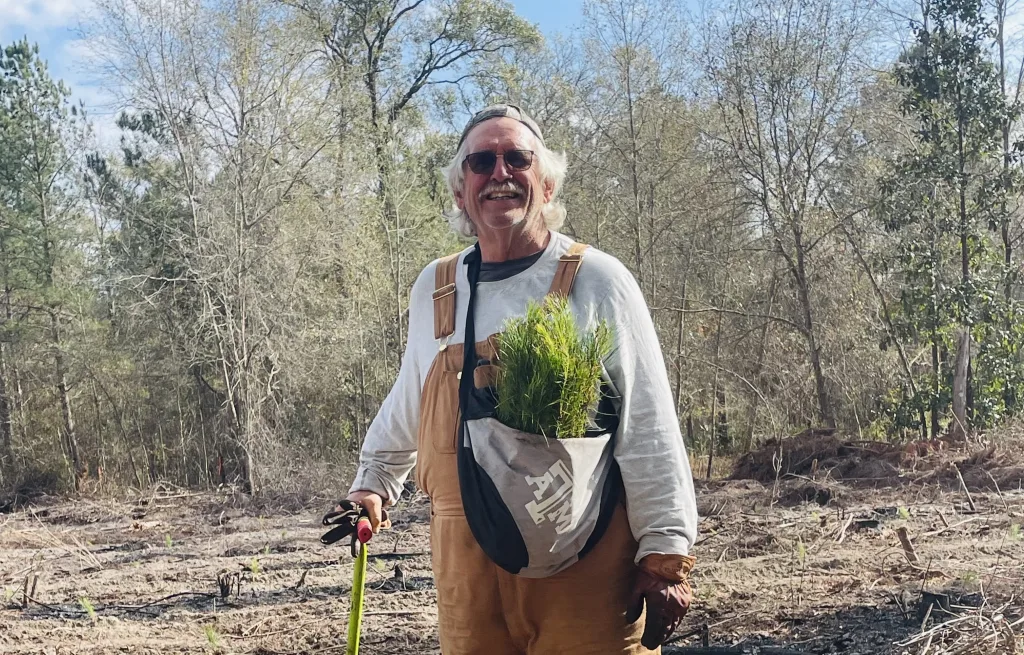
For Brad Henslin, owning forestland was a significant investment – in both financial terms and what he hopes the land will become. As a first-generation forest landowner, purchasing his 185 acres in Wayne County, Georgia, meant taking on risk and stretching financially. His long-term goal is clear: keep the land forested in perpetuity. To do that, he believes future stewards need to understand how to make forestry economically sustainable. Choosing pine genetics is one part of that equation. “Educating the next generation in how to make it economically sustainable is the KEY to longevity,” Brad says. When Hurricane Helene damaged his forest, those goals helped guide his decision to replant with ArborGen.
Stories from the Field
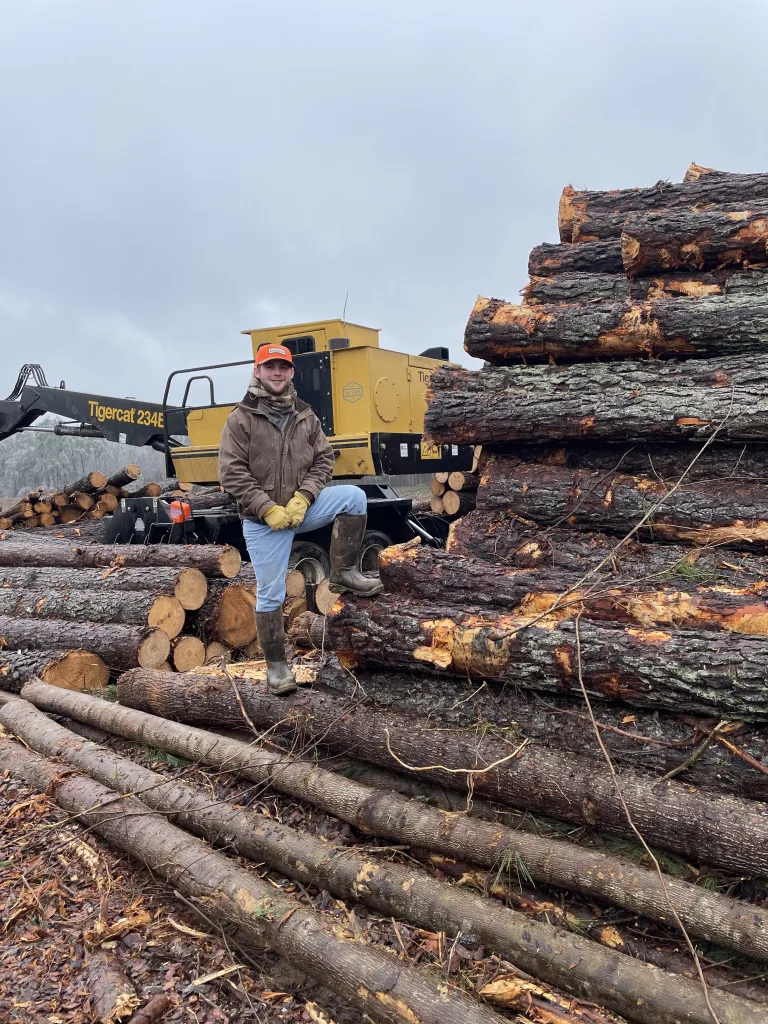
For consulting forester Will Tulloss, choosing seedlings is a decision shaped by the property, the landowner’s goals, and the future of the stand. Each planting calls for a recommendation that fits the client – and having a range of genetics to choose from helps him deliver that personalized approach.  Will, President of Mazur & Tulloss Associates LLC, has worked with ArborGen since 2017. What keeps him coming back is a combination of seedling quality, product choices, and attentive service.   “Hard to beat the quality and service you get with ArborGen,” he says.
TreeLines Blog
 With timber markets facing uncertainty, many landowners are evaluating ways to reduce costs. Dr. Patrick Cumbie explains why thoughtful planning, sound silviculture, and improved genetics remain essential investments for long-term forest productivity and value.
Best Practices
Replanting is one of the most important decisions a landowner will make, but it’s also where costly mistakes happen. Here are five of the most common pitfalls and how to avoid them.
Best Practices
Your return on investment doesn’t start at harvest; it starts with the genetics you plant. The right seedlings can mean faster growth, better stem quality, and more high-value timber over time.
Best Practices
From wildlife habitat to bourbon barrels, White Oak trees play an important role across forests, landscapes, and industries. Learn why this iconic hardwood species remains one of the most valuable and admired trees in the eastern United States.
TreeLines Blog
The quality of a seedling starts long before it reaches the nursery. From orchard management and genetic selection to pollination and chain of custody, understanding where your seedlings come from can make all the difference in long-term forest performance.
Best Practices
“There’s no way you can grow that many tons per acre.” It’s a reaction ArborGen hears often when discussing advanced genetics. In this article, we address the skepticism head-on and explain why modern forestry genetics are reshaping what’s possible for timberland productivity and long-term ROI.
Best Practices
Your return on investment doesn’t start at harvest; it starts with the genetics you plant. The right seedlings can mean faster growth, better stem quality, and more high-value timber over time.
TreeLines Blog
Timber markets have changed dramatically over the last few decades, leaving many landowners wondering whether pine plantations are still a worthwhile investment. The answer is yes – but success today depends less on timber prices and more on producing more volume with better genetics and sound forest management.
Best Practices
Spacing decisions made at planting influence everything from early growth to final harvest value. Here’s how to think about density the right way.
Best Practices
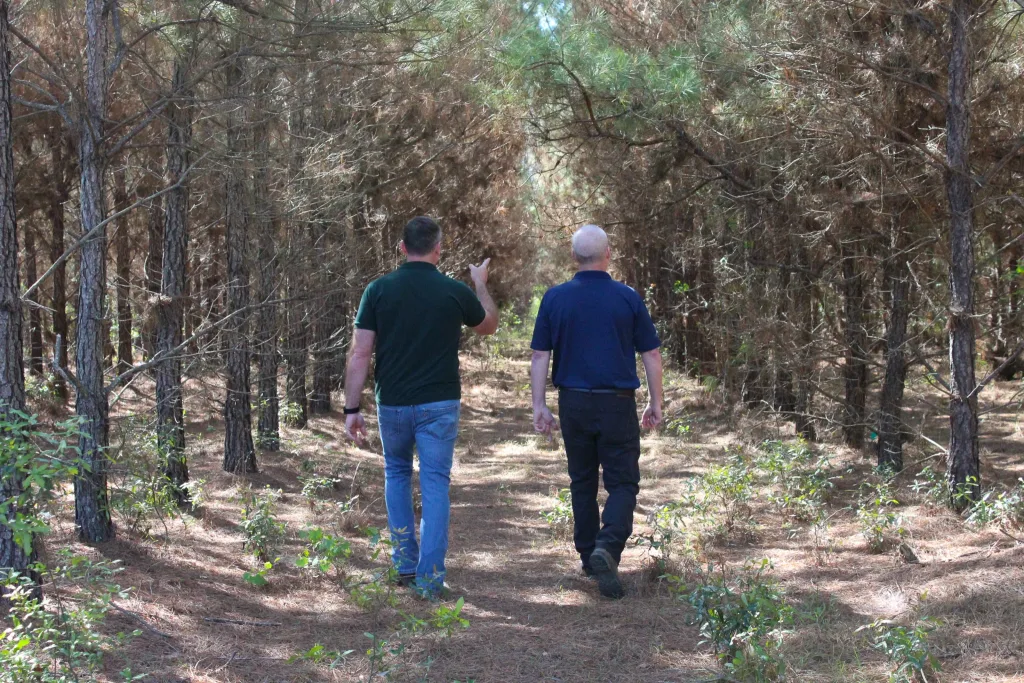
A stand visit isn’t just a walkthrough; it’s where decisions are refined, risks are identified, and opportunities are uncovered. Here’s what ArborGen experts are actually looking for in the field.
Stories from the Field
For Brad Henslin, owning forestland was a significant investment – in both financial terms and what he hopes the land will become. As a first-generation forest landowner, purchasing his 185 acres in Wayne County, Georgia, meant taking on risk and stretching financially. His long-term goal is clear: keep the land forested in perpetuity. To do that, he believes future stewards need to understand how to make forestry economically sustainable. Choosing pine genetics is one part of that equation. “Educating the next generation in how to make it economically sustainable is the KEY to longevity,” Brad says. When Hurricane Helene damaged his forest, those goals helped guide his decision to replant with ArborGen.
Stories from the Field
For consulting forester Will Tulloss, choosing seedlings is a decision shaped by the property, the landowner’s goals, and the future of the stand. Each planting calls for a recommendation that fits the client – and having a range of genetics to choose from helps him deliver that personalized approach.  Will, President of Mazur & Tulloss Associates LLC, has worked with ArborGen since 2017. What keeps him coming back is a combination of seedling quality, product choices, and attentive service.   “Hard to beat the quality and service you get with ArborGen,” he says.
TreeLines Blog
 With timber markets facing uncertainty, many landowners are evaluating ways to reduce costs. Dr. Patrick Cumbie explains why thoughtful planning, sound silviculture, and improved genetics remain essential investments for long-term forest productivity and value.

Check Out Our Podcast

Lorem ipsum dolor sit amet, consectetur adipiscing elit. Integer vitae nisl id magna egestas sodales sed interdum diam. Integer pulvinar purus non mi molestie, vel luctus diam gravida. Lorem

Check Out Our Upcoming Events

January 1, 2030
01
Jan
2030

Sample

Lorem ipsum dolor sit amet, consectetur adipiscing elit. Vivamus fringilla neque libero, nec consequat dolor varius vel.
January 1, 2030
01
Jan
2030

Sample

Lorem ipsum dolor sit amet, consectetur adipiscing elit. Vivamus fringilla neque libero, nec consequat dolor varius vel.
January 1, 2030
01
Jan
2030

Sample

Lorem ipsum dolor sit amet, consectetur adipiscing elit. Vivamus fringilla neque libero, nec consequat dolor varius vel.
January 1, 2030
01
Jan
2030
Sample

Sample

Lorem ipsum dolor sit amet, consectetur adipiscing elit. Vivamus fringilla neque libero, nec consequat dolor varius vel.
January 1, 2030
01
Jan
2030
Sample

Sample

Lorem ipsum dolor sit amet, consectetur adipiscing elit. Vivamus fringilla neque libero, nec consequat dolor varius vel.
January 1, 2030
01
Jan
2030
Sample

Sample

Lorem ipsum dolor sit amet, consectetur adipiscing elit. Vivamus fringilla neque libero, nec consequat dolor varius vel.

For More Resources

The Science Behind Our Seedlings

Learn how ArborGen’s long-term breeding, testing, orchard management, and nursery programs help support stronger-performing seedlings designed for real-world field conditions.

Understanding Genetic Performance Potential

The AG Score was developed to help landowners and forestry professionals compare seedlings more clearly using important performance traits like productivity, rust resistance, stem straightness, and forking.

Helpful Forestry Tools & Guides

Access practical resources designed to support planting success, operational planning, and long-term forest management.

Quotes From The Field

Brad Henslin copy

“With pine seedlings, you get what you pay for … I have an appreciation for superior genetics and ArborGen has these genetics available to private landowners. In a severe drought survival has still been 90%.

Blake was helpful, replied timely to inquiries and facilitated an efficient process… Thank you, ArborGen!”
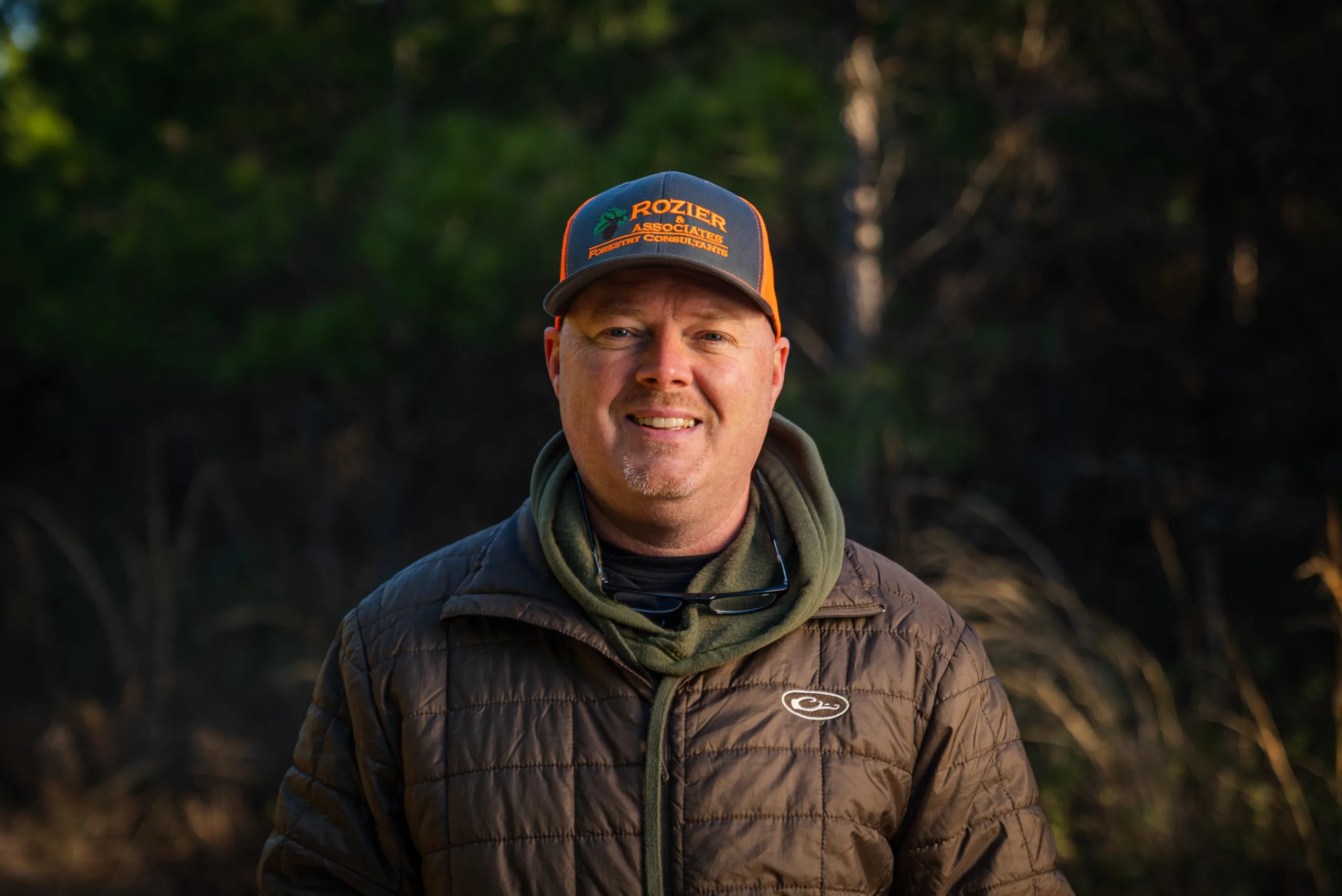
Brad Henslin
Steward Landowner in Wayne County, GA
Bainbridge-22

“We’ve been a customer of ArborGen for more than 30 years and have been planting MCP seedlings for the past decade. The results speak for themselves.The consistency of the seedlings is exceptional, with very little variation across the crop, which is incredibly important to us. We trust the data behind the genetics and will continue planting MCP seedlings because the performance is proven in the field.

ArborGen has always been a company we can rely on and a trusted partner to our business.”
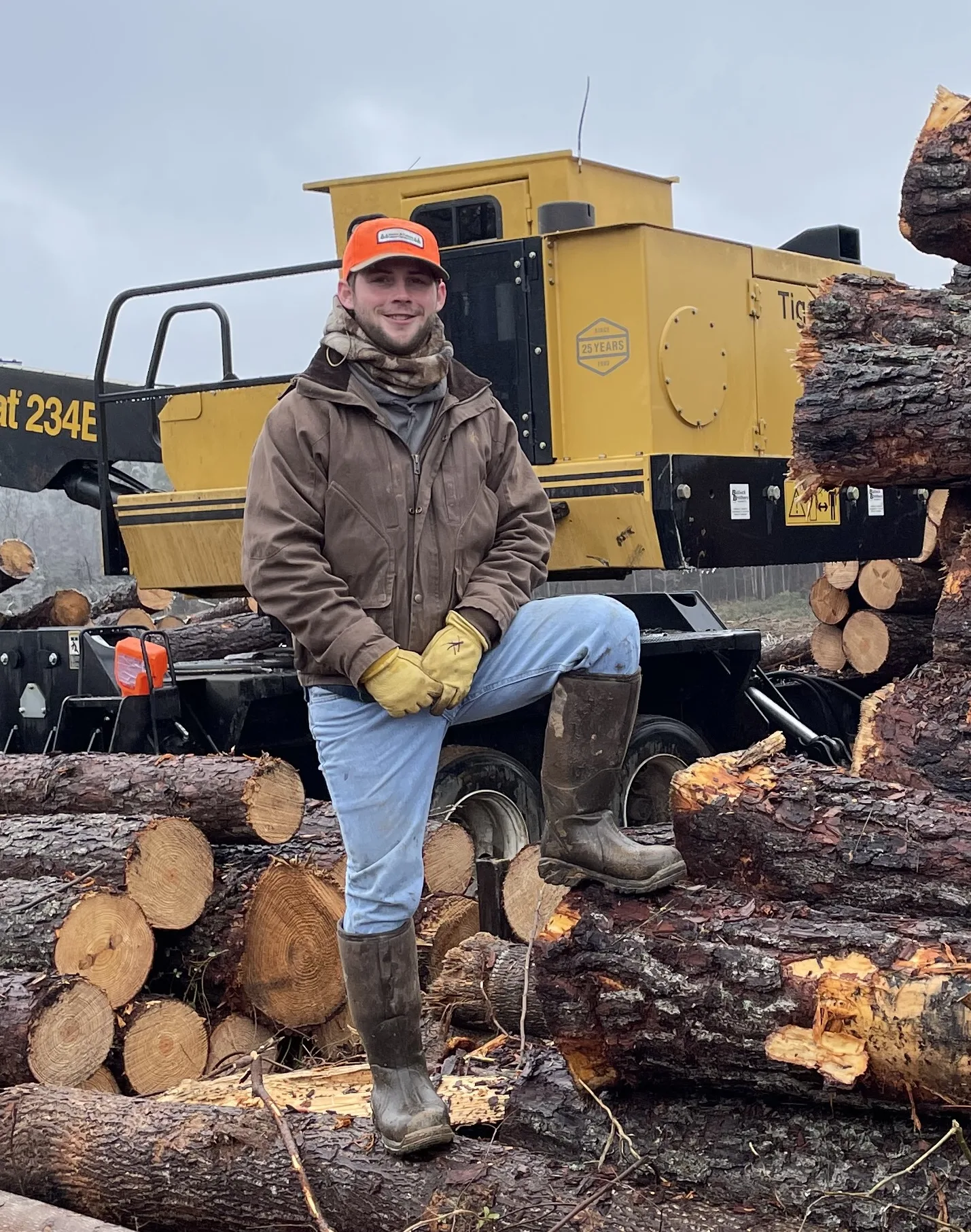
Perry Clements, III
Clements Forestry Consulting – Bainbridge, Georgia
linkedin-pic - Mazur & Tulloss Associates LLC copy

“Hard to beat the quality and service you get with ArborGen … I have always felt taken care of and attended to despite being a smaller customer. The feedback and attention to detail from my reforestation advisor has been excellent.”

Will Tulloss
President, Mazur & Tulloss Associates LLC

Frequently Asked Questions

The best seedlings for your property depend on factors like region, soil conditions, management goals, planting strategy, wildlife objectives, and long-term plans for the land. ArborGen offers a range of pine, hardwood, and specialty seedlings designed to support different planting needs and site conditions.

Working with a Reforestation Advisor can help simplify the selection process and ensure recommendations are aligned with your goals.

OP seedlings are developed through open pollination breeding programs using carefully selected parent trees, while MCP® seedlings are developed through controlled pollination techniques designed to improve genetic precision and overall performance potential. Both are genetically improved, but MCP® seedlings are typically selected by customers focused on maximizing long-term stand productivity, quality, and value.

The AG Score is ArborGen’s simplified scoring system designed to help customers compare seedlings based on important performance traits like productivity, rust resistance, stem straightness, and forking.

Higher AG Scores indicate stronger overall performance potential across those combined traits.

Before many seedlings become commercially available, they undergo years of breeding, field trials, data collection, and evaluation across multiple environments and planting regions throughout the Southeast.

This long-term testing process helps support confidence in real-world field performance and regional adaptability.

Bareroot seedlings are grown in nursery beds and planted during traditional dormant-season planting windows, while containerized seedlings are grown in specialized containers that protect the root system and can provide additional planting flexibility under certain conditions.

The best option depends on your property, planting timeline, site conditions, and management strategy.

Pine seedlings are typically planted during the dormant season, which generally occurs from late fall through winter depending on the region and weather conditions. Proper site preparation, moisture conditions, and planting quality all play an important role in successful establishment.

Yes. ArborGen offers hardwood and specialty seedlings commonly used for wildlife habitat, conservation, restoration, and diversified land management projects throughout the Southeast.

Our Reforestation Advisors can help recommend species aligned with your property goals and site conditions

Genetics influence important traits like growth rate, disease resistance, stem quality, stand consistency, and long-term productivity. Stronger-performing genetics can help improve stand performance and long-term value over the life of a forest rotation.

Because forestry is a long-term investment, genetics selected at planting can impact a property for decades.

ArborGen Reforestation Advisors work directly with customers across the Southeast to provide guidance on seedling selection, planting strategies, genetics, and regional recommendations.

You can connect with your local advisor through our Reforestation Advisor page or contact ArborGen directly for assistance.