From Research to Reforestation
At ArborGen, better-performing seedlings don’t happen by accident. Every MCP® seedling represents decades of genetic research, controlled breeding, field testing, and data collection designed to help landowners and foresters plant with greater confidence.
What looks like a small seedling at planting is backed by years of scientific evaluation across real-world growing conditions throughout the Southeast.

Why Genetics Matter
Genetics influence much more than early growth. They impact stem quality, disease resistance, stand uniformity, harvest flexibility, and long-term stand value over the life of a rotation.
That’s why ArborGen invests heavily in research and testing before a seedling ever becomes commercially available.
Understanding OP vs. MCP ®
Not all pine seedlings are developed the same way. ArborGen offers both OP (Open Pollinated) and MCP® (Mass Control Pollinated) seedlings to help landowners and foresters choose the right balance of investment, performance potential, and management strategy for their goals.
Both options benefit from ArborGen’s research and breeding programs – but MCP® seedlings represent an additional level of genetic selection and controlled breeding designed to maximize performance potential.
For many landowners and foresters, the decision comes down to management goals, timeline, site conditions, and long-term investment strategy.
Open Pollinated (OP) Pine Seedlings
OP seedlings are produced through natural pollination and selected from ArborGen’s breeding program for dependable field performance across a wide range of planting conditions.
Best For:
- Cost-conscious planting strategies
- Flexible management objectives
- Broad site adaptability
- Reliable, proven performance
Best For:
- Cost-conscious planting strategies
- Flexible management objectives
- Broad site adaptability
- Reliable, proven performance
Benefits:
- Improved genetics over unimproved seedlings
- Dependable growth and survival
- Strong value across many planting scenarios
- Available across multiple pine species
Benefits:
- Improved genetics over unimproved seedlings
- Dependable growth and survival
- Strong value across many planting scenarios
- Available across multiple pine species
Mass Control Pollinated (MCP ®) Pine Seedlings
MCP® seedlings are developed through controlled pollination techniques that intentionally combine elite parent trees with complementary performance traits. This additional level of genetic precision is designed to improve stand uniformity, stem quality, growth potential, and long-term value.
Best For:
- Maximizing productivity and ROI
- Greater sawtimber production
- Long-term value-focused management
- Higher-performance planting strategies
Best For:
- Maximizing productivity and ROI
- Greater sawtimber production
- Long-term value-focused management
- Higher-performance planting strategies
Benefits:
- Greater genetic consistency
- Improved stem straightness
- Enhanced disease resistance
- Increased sawtimber potential
- Higher long-term revenue potential
Benefits:
- Greater genetic consistency
- Improved stem straightness
- Enhanced disease resistance
- Increased sawtimber potential
- Higher long-term revenue potential
Why Controlled Pollination Makes a Difference
In traditional open pollination, the parent tree contributing pollen is unknown. MCP® seedlings are developed through controlled pollination techniques that allow ArborGen researchers to intentionally select both parent trees based on desirable traits. This process increases the likelihood of producing seedlings with stronger combined performance characteristics – helping improve stand consistency, growth potential, stem quality, and overall stand value over time.
See the Difference in the Field
The impact of advanced genetics becomes clearer over time. In real-world field comparisons, MCP Pro+ seedlings consistently produce more uniform stands with a greater percentage of high-quality trees suitable for future sawtimber production.
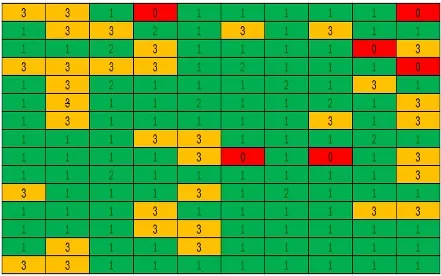
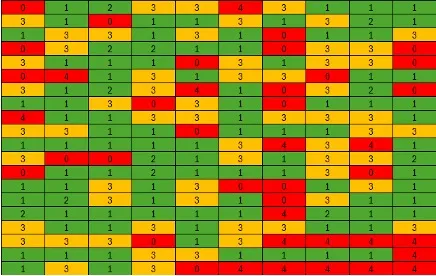
In one comparison, nearly three out of four trees planted with MCP Pro+ seedlings showed no major defects — including rust, forks, heavy limbs, or stem sweep. In the neighboring OP stand, less than half of the trees met the same sawtimber-quality standards
MCP Pro+ Stand
- Greater stand uniformity
- Fewer visible defects
- Improved stem quality
- Stronger long-term value potential
~75% Sawtimber-Quality Trees in MCP Pro+ Stand
- Sawtimber potential tree
- Pulpwood tree
- Dead tree
OP Stand
- More inconsistent stem form
- Higher occurrence of defects
- Lower percentage of sawtimber-quality trees
- Less predictable stand performance
<50% Sawtimber-Quality Trees in OP Stand
- Sawtimber potential tree
- Pulpwood tree
- Dead tree
Closing: Better genetics don’t just improve individual trees – they improve the overall quality and consistency of the stand over time.
Decades of Research Behind Every MCP® Seedling
Developing advanced forest genetics is a long-term process that requires careful selection, testing, validation, and patience. From identifying elite parent trees to monitoring field performance over decades, ArborGen’s breeding programs are built around long-term results—not short-term assumptions.

Step 1: Building Better Genetics
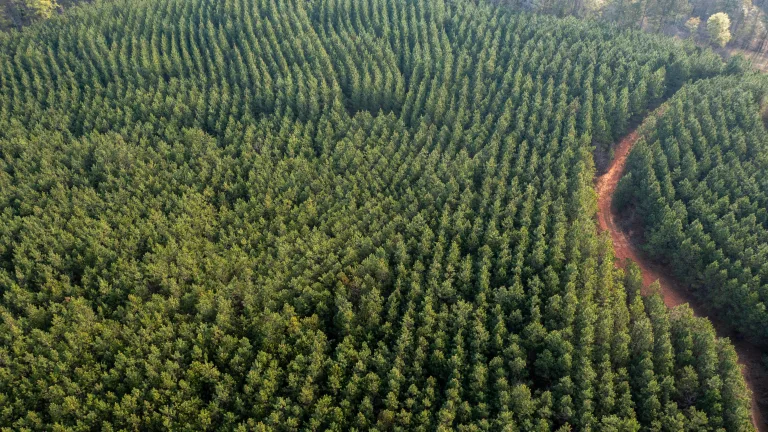
Before a pine family is ever considered for commercial production, ArborGen’s Product Development team spends years selecting elite parent trees, producing controlled pollinations, establishing field trials, and measuring performance across multiple environments. This first step of the process takes roughly 12 years of research and testing.
New genetic families are tested over multiple years and across 3–5 locations annually within each region to ensure reliable, real-world performance data.
Step 2: Establishing the Orchard
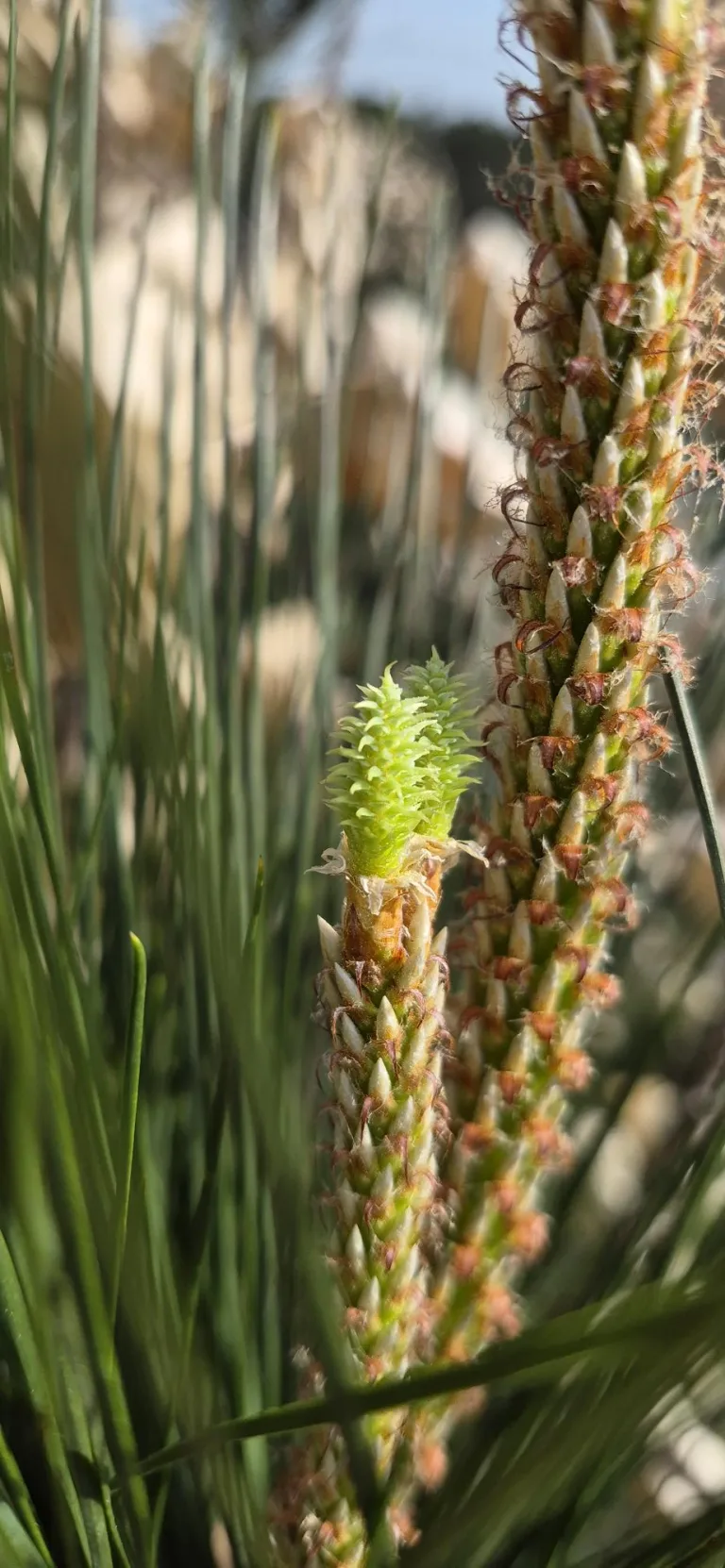
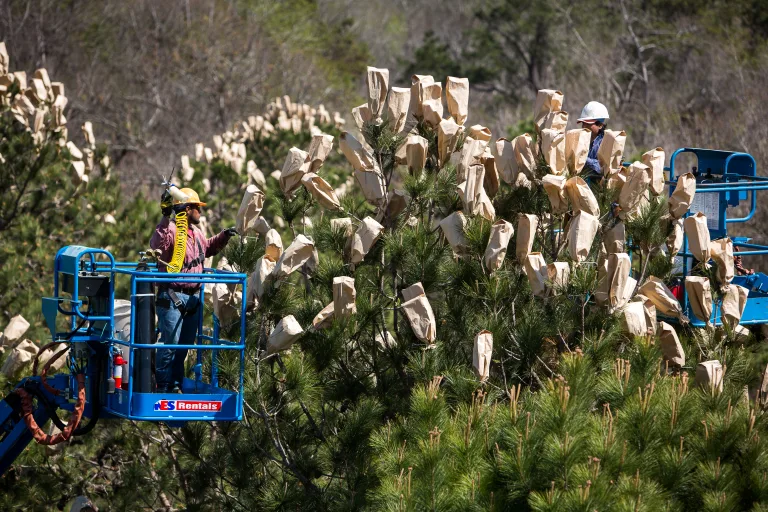
Once elite parent trees are identified, selected genetics are established within carefully managed seed orchards designed to support controlled breeding, genetic diversity, and long-term seed production.
Each orchard represents years of prior research and selection focused on productivity, stem quality, and disease resistance.
Step 3: Developing the Orchard
Over several years, ArborGen teams carefully manage orchard health, flowering cycles, pollination timing, and genetic composition to support consistent seed quality and long-term performance.
This ongoing management helps preserve the integrity of the breeding program and ensures only the strongest-performing genetics continue forward.
Step 4: Producing the Seed
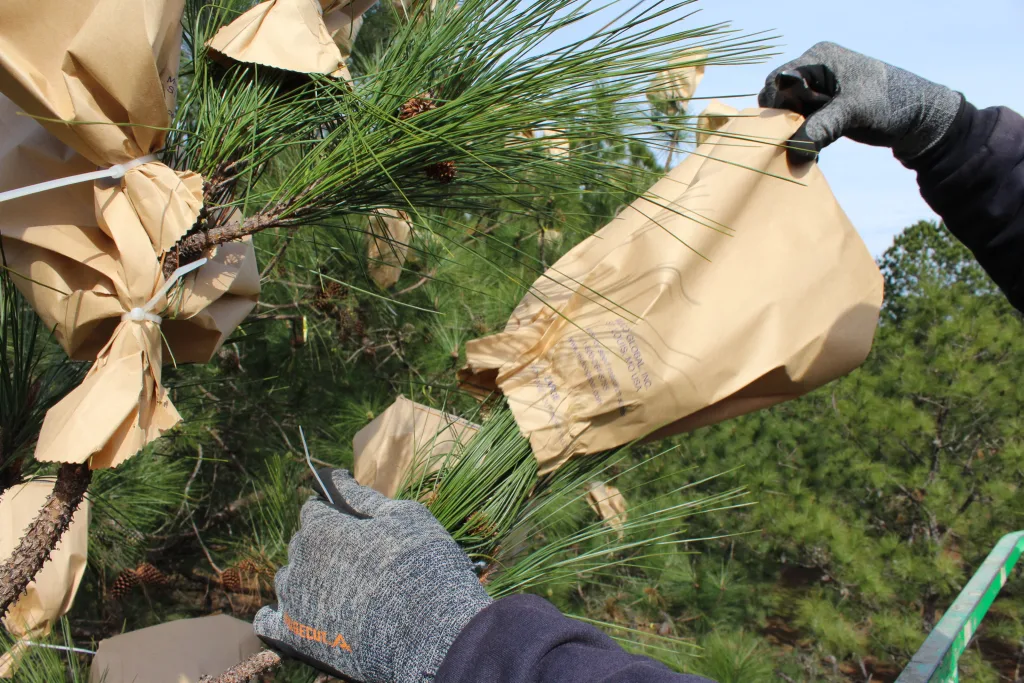
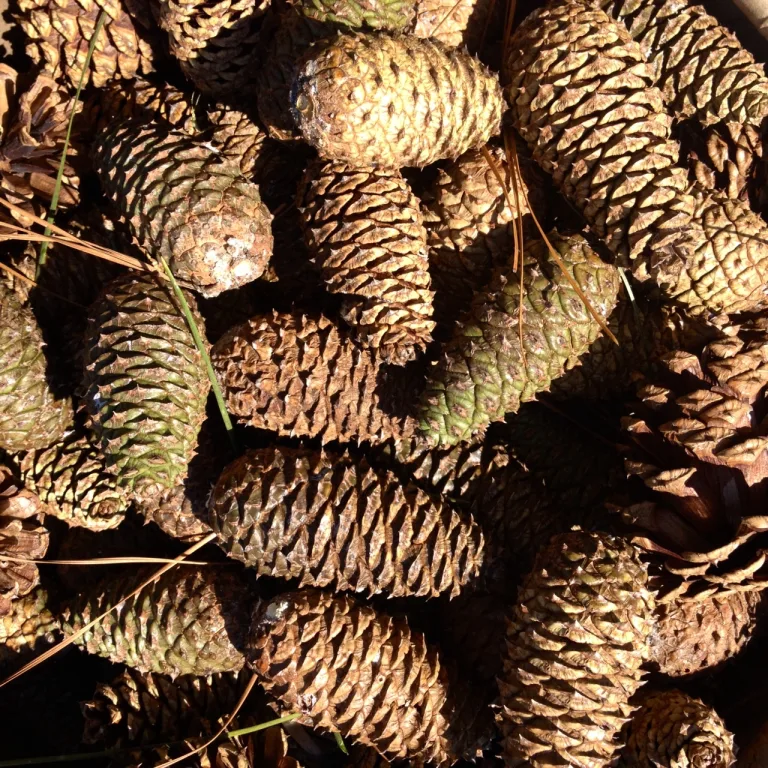
After controlled pollination occurs, cones develop and mature within the orchard before being harvested and processed for seed collection.
Every seed represents years of breeding, testing, and genetic selection designed to improve stand performance in the field.
Step 5: Growing the Seedlings
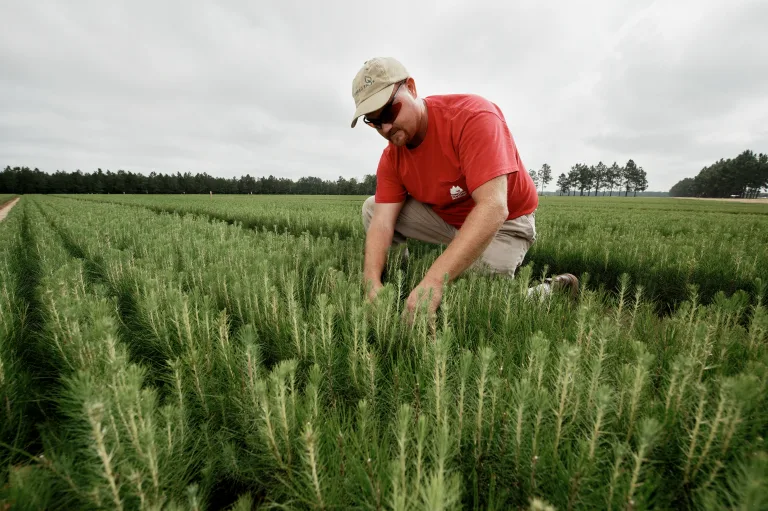
Seeds are carefully grown within ArborGen nurseries using both bareroot and containerized production systems. From sowing and irrigation to grading and quality control, every stage is managed with seedling health and successful field establishment in mind.
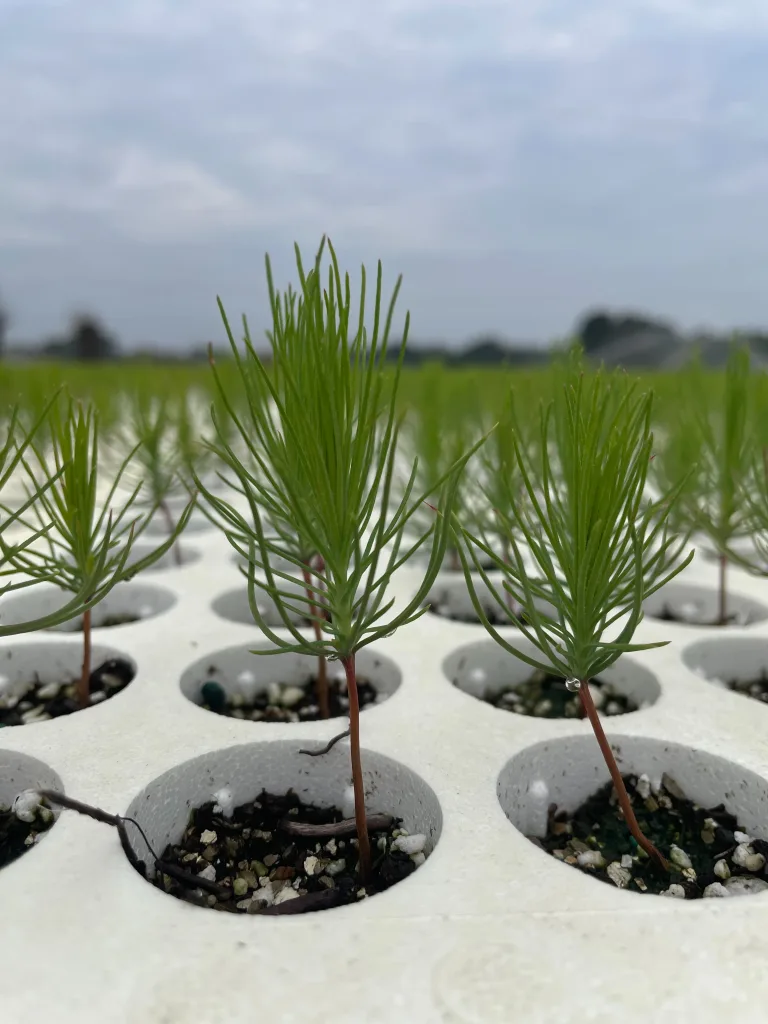
Step 6: Ready for the Field
Once planting-ready, seedlings are carefully packaged and delivered across the Southeast to support the next generation of forests.
What arrives at planting is more than a seedling - it’s the result of decades of scientific research, field validation, and genetic advancement designed to help customers plant with greater confidence.
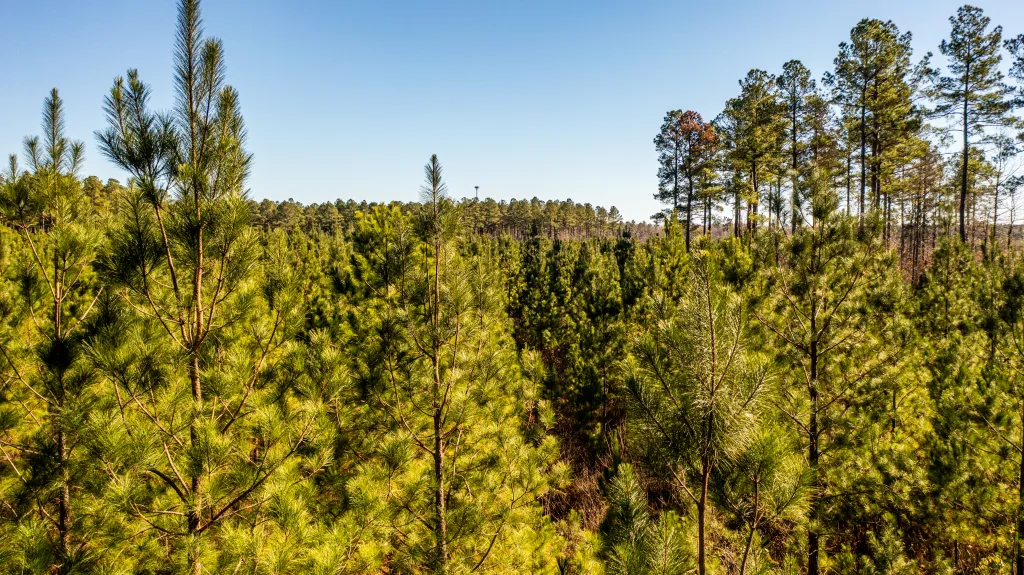
Making Complex Genetics Easier to Understand
To help simplify seedling selection, ArborGen developed the AG Score — a data-driven scoring system designed to translate years of research into a simpler decision-making tool for customers.
By combining important traits like productivity, rust resistance, stem straightness, and forking into one score, the AG Score helps landowners and foresters compare seedlings with greater clarity and confidence.
Research Only Matters If It Performs in the Field
ArborGen’s investment in forest genetics is focused on helping customers reduce risk and improve long-term outcomes. Advanced genetics can contribute to stronger stand performance, greater sawtimber production, improved harvest flexibility, and increased long-term value.
For landowners and forestry professionals, that means greater confidence in the decisions made at planting.

“With pine seedlings, you get what you pay for … I have an appreciation for superior genetics and ArborGen has these genetics available to private landowners. In a severe drought survival has still been 90%.
Blake was helpful, replied timely to inquiries and facilitated an efficient process… Thank you, ArborGen!”

“We’ve been a customer of ArborGen for more than 30 years and have been planting MCP seedlings for the past decade. The results speak for themselves.The consistency of the seedlings is exceptional, with very little variation across the crop, which is incredibly important to us. We trust the data behind the genetics and will continue planting MCP seedlings because the performance is proven in the field.
ArborGen has always been a company we can rely on and a trusted partner to our business.”

“Hard to beat the quality and service you get with ArborGen … I have always felt taken care of and attended to despite being a smaller customer. The feedback and attention to detail from my reforestation advisor has been excellent.”