
As Tree Planting Stocking Rates Drop, Landowners Are Turning to MCP® for Sawtimber Success
In previous editions of TreeLines, we’ve documented a clear trend: forest landowners are planting fewer trees per acre.
Improved seedling quality, better site preparation, wider spacing for cost efficiency, and advances in genetics have all contributed to more intentional stocking rates. But recent timber market shifts, especially the contraction of pulp and paper markets across the U.S. South, have brought new urgency to the conversation.
Today, planting density isn’t just about cost savings. It’s about maximizing sawtimber production and protecting long-term value.
A Look Back: Why We Planted 800+ Trees Per Acre
Fresh out of forestry school in 1996, I regularly saw planting densities exceeding 800 trees per acre. Many firms preferred 726 per acre, with 605 considered the lower threshold.
At the time, pulpwood and sawtimber markets were strong across the South. Landowners were confident that virtually any seedling planted would find a buyer — whether for paper, lumber, or other end products.
Higher planting densities served as insurance:
- Protection against seedling mortality
- A hedge against genetic variability
- A buffer for disease and form defects
Most of those seedlings were Open Pollinated (OP) families, where the mother tree is known, but the pollen parent is not. That genetic uncertainty often resulted in wide stand variability, including:
- Fusiform rust susceptibility
- Forked or split stems
- Large branches and limb knots
- Excessive crook
With healthy pulpwood markets, those defects were manageable. Small-diameter or lower-quality stems still had a home in the supply chain.
That strategy worked — for decades.
The Genetic Breakthrough: Mass Controlled Pollination (MCP®)
Meanwhile, integrated forest products companies like MeadWestvaco, Georgia-Pacific, Union Camp, International Paper, and Champion International were raising the bar on forest genetics.
MeadWestvaco pioneered Mass Controlled Pollination (MCP®), controlling both the mother and father trees to create full-sibling families with superior traits. This use of Specific Combining Ability dramatically reduced variability and defects, while improving overall forest productivity.
Union Camp and Champion followed suit before eventually being absorbed by International Paper in the early 2000s.
In 2007, ArborGen, then a MeadWestvaco subsidiary, acquired International Paper’s seedling nursery and orchard business. For the first time, elite MCP genetics became broadly available to private landowners.
Since then, ArborGen has continued expanding MCP® production and refining performance through rigorous screening and validation.
Market Reality: Why Stocking Rates Are Dropping
Timber stumpage prices have never fully recovered to pre-2008 levels. While markets remained relatively stable throughout the 2010s, COVID-19 introduced new volatility.
After the brief lumber boom of 2021, pulp and paper mill closures accelerated across the South. Some estimates suggest we’ve lost 30–35 million tons of pulp capacity.
Fewer mills mean:
- Lower pulpwood stumpage prices
- Fewer outlets for small or defective trees
- Greater pressure on sawtimber quality
At the same time, the U.S. South has added approximately 5 billion board feet of lumber capacity.
The takeaway? Sawtimber demand remains strong, but the margin for genetic variability is shrinking.
“How Low Can We Go?” — The New Stocking Rate Question
As pulp markets contract, landowners are asking:
“How low can we reduce planting density and still maximize chip-n-saw and sawtimber production?”
Some are dropping stocking rates as low as 450 trees per acre.
But here’s the challenge:
Lower densities amplify the impact of genetic variability.
With Open Pollinated (OP) seedlings, stands can still produce:
- 50–60% pulpwood
- Larger branches
- More stem defects
At lower stocking rates, there’s less room to “grow through” poor form.
That’s where MCP® changes the equation.
How ArborGen Screens and Verifies MCP® Performance
Screening new MCP families isn’t guesswork.
ArborGen evaluates over 40,000 trees annually, ranking families based on four major traits:
- Volume/Productivity
- Straightness
- Disease Resistance
- Forking Reduction
Product Development goes beyond measurement with a “trust but verify” approach, including:
- Visual assessment of branch size and angle
- Crown architecture evaluations at age 3
- Follow-up verification at age 6 (when trees often reach 30–35 feet tall)
While branch size has lower heritability than volume or straightness, it remains clearly observable in MCP full-sibling families and far more controllable than in Open Pollinated seedlings.
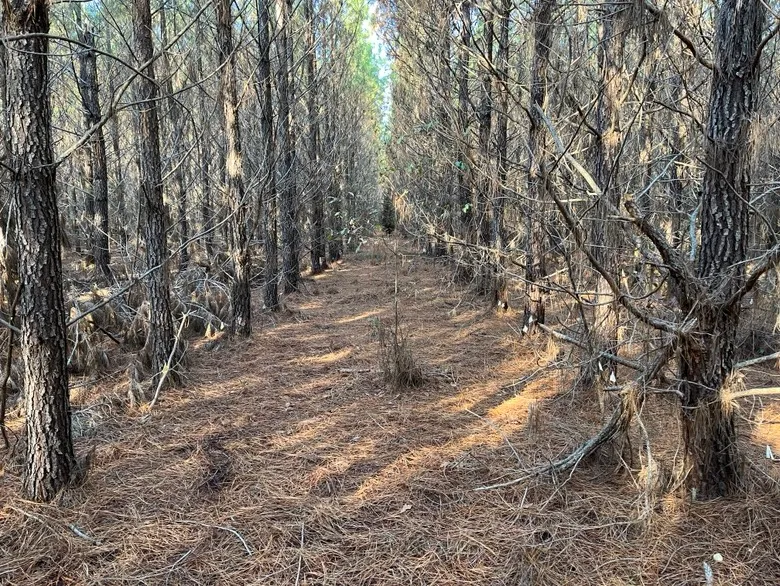
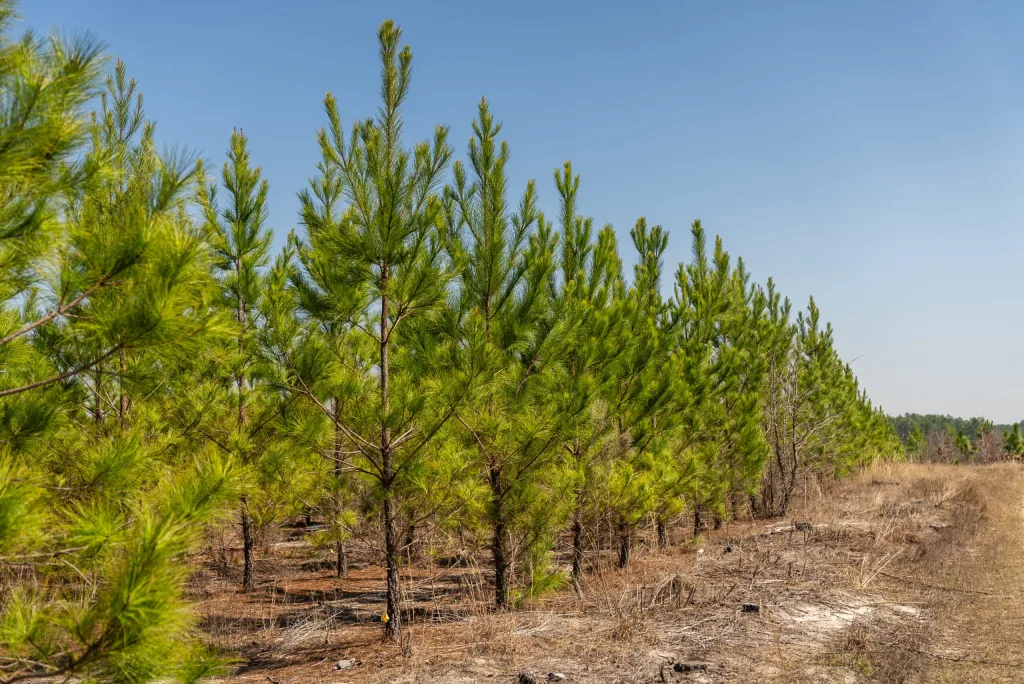
Image 1: Pictured here are noticable differences between OP (on the right) and MCP® (on the left).
Reduced defects + improved form = greater end-product optionality.
MCP®: Maximum Optionality in Uncertain Timber Markets
Not all regions have been equally affected by pulp and paper mill closures. But across much of the South, the loss of pulp capacity has permanently shifted the economics of stand establishment.
Lower stocking rates can work — if the genetics support the strategy.
Planting OP seedlings at 450 trees per acre is a risk.
Planting MCP® seedlings at 450 trees per acre is a strategy.
In today’s market environment, MCP® provides:
- Improved stem quality
- Reduced defect frequency
- Greater sawtimber yield potential
- Flexibility across changing timber markets
In short, MCP® is maximum optionality — and the solution for where we find ourselves in 2026 and beyond.
For a deeper discussion about stocking rates, MCP® genetics, and your long-term reforestation goals, contact your local Reforestation Advisor.