For Brad Henslin, owning forestland was a significant investment – in both financial terms and what he hopes the land will become. As a first-generation forest landowner, purchasing his 185 acres in Wayne County, Georgia, meant taking on risk and stretching financially.
His long-term goal is clear: keep the land forested in perpetuity. To do that, he believes future stewards need to understand how to make forestry economically sustainable. Choosing pine genetics is one part of that equation.
“Educating the next generation in how to make it economically sustainable is the KEY to longevity,” Brad says.
When Hurricane Helene damaged his forest, those goals helped guide his decision to replant with ArborGen.
Rebuilding After Helene
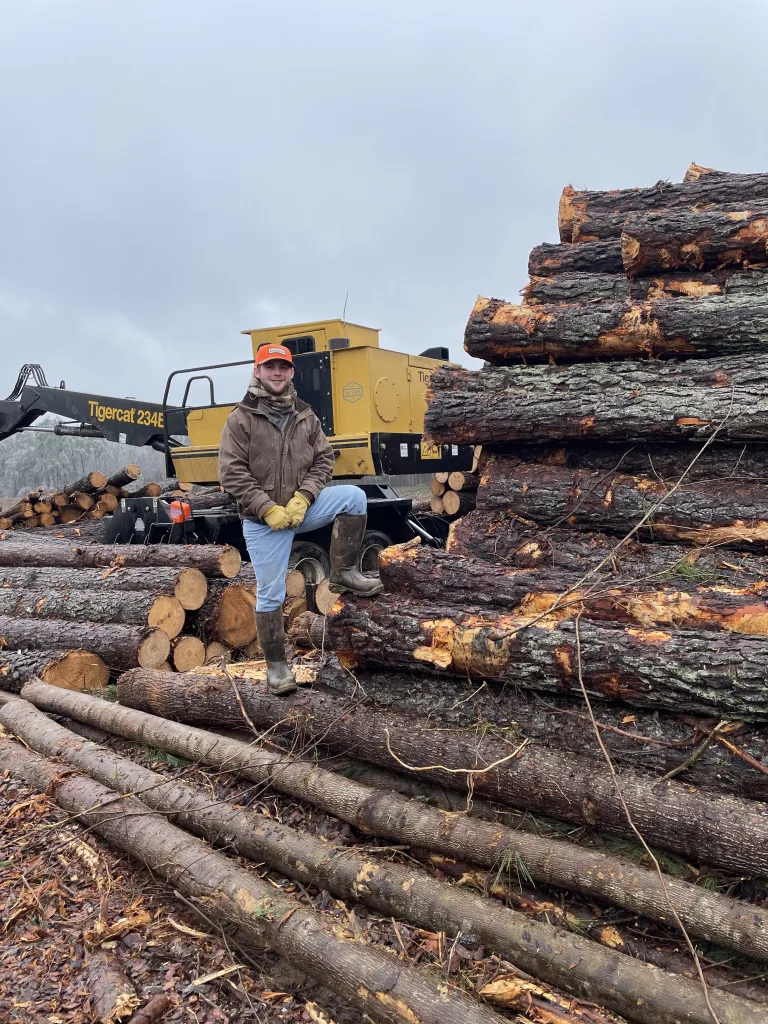
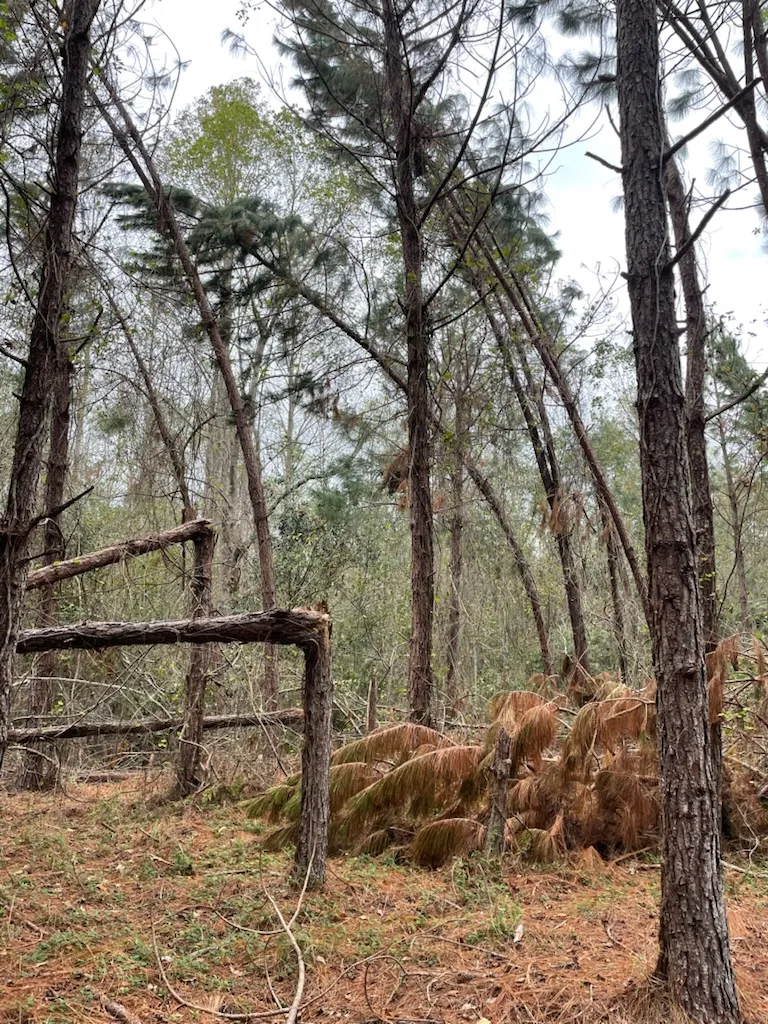
According to Brad, evidence of Helene’s winds of more than 90 mph could be seen throughout the property. A 12-acre planted slash pine stand required clear-cutting, while an adjoining slash pine stand needed a heavy thinning to remove damaged and downed trees.
Returning the cleared area to production took considerable work. The site was salvage logged, and large piles of wood unsuitable for mill use were burned.
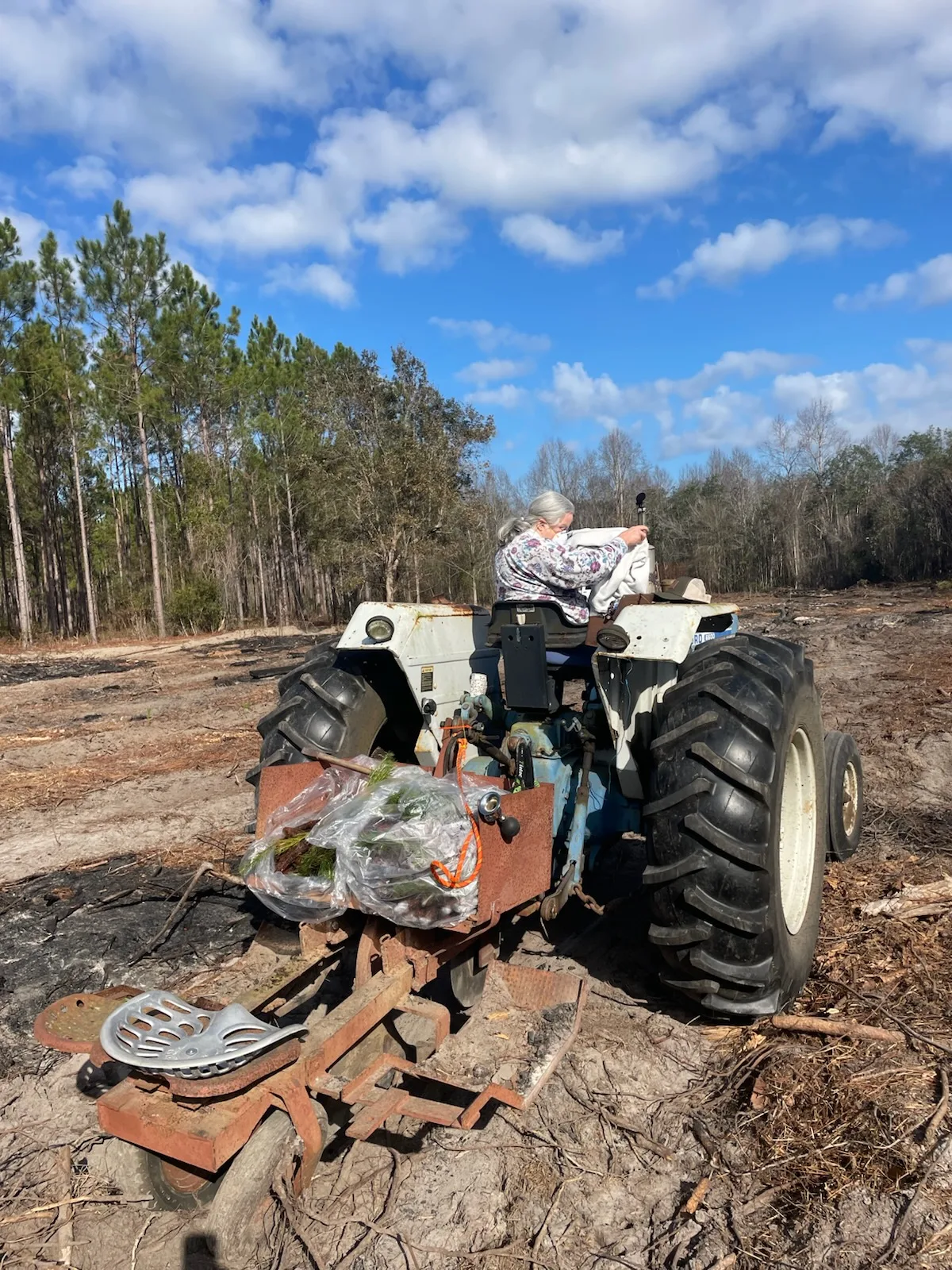
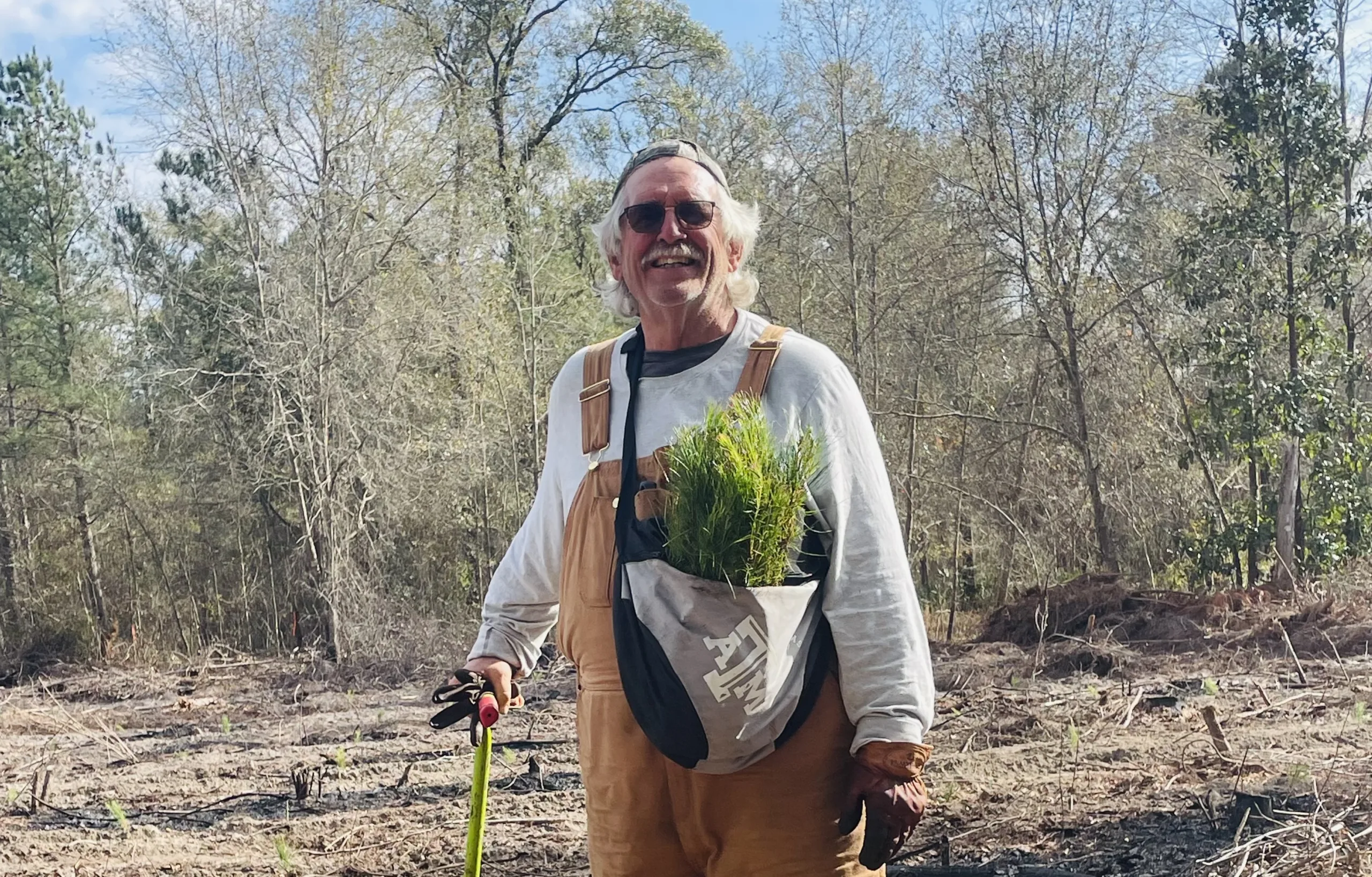
Then Brad and his wife, Faye, took on the planting themselves.
Both over 65, they brought tractors and tree planters more than 40 years old out of storage. Faye drove the tractor while Brad rode the tree planter, putting the next forest in the ground.
In Brad’s words, it was time to “get after it.”
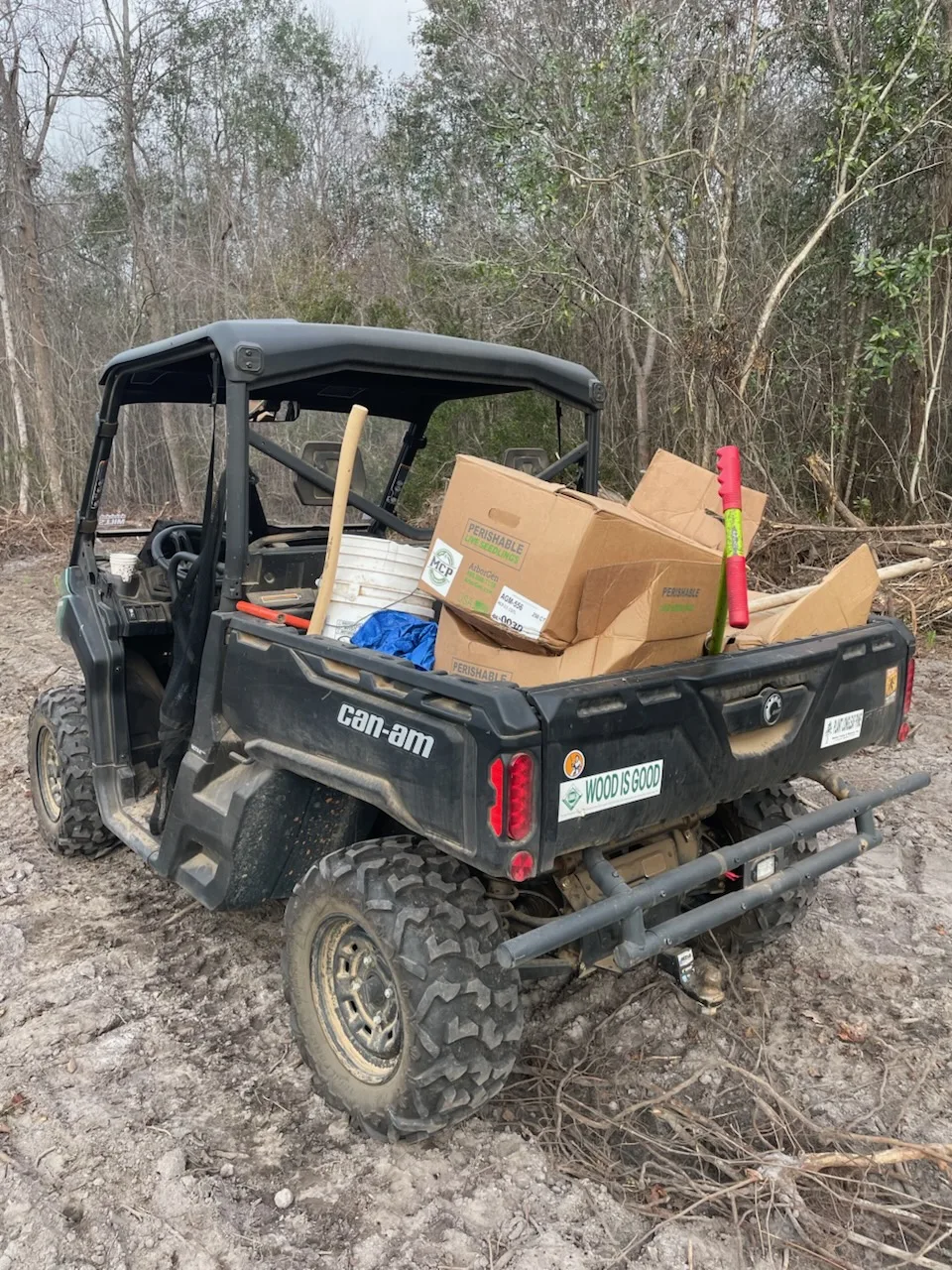
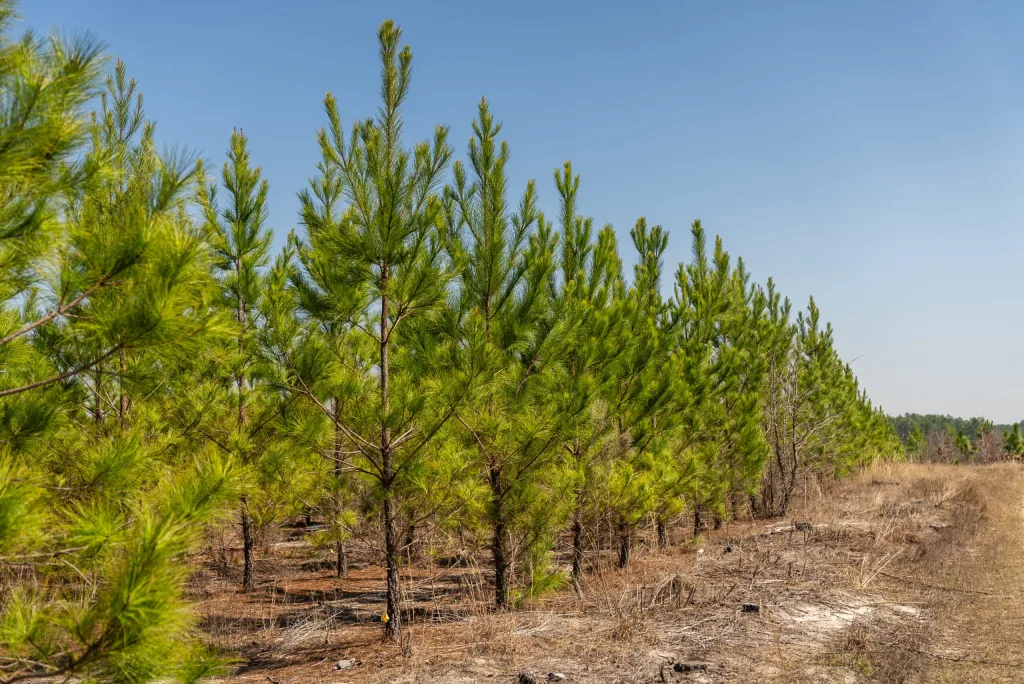
On January 8, 2026, they planted approximately 10–12 acres with ArborGen MCP Pro+ container seedlings.
Choosing Genetics with the Future in Mind
Brad brought some firsthand experience in tree improvement to his seedling decision. His first job after forestry school, in 1979, involved searching for loblolly pines with genetic characteristics suitable for expanding nursery seedling production.
That background gave him an appreciation for genetics – and a specific question for ArborGen Reforestation Advisor Blake Sherry.
Given his location and soil type, Brad wanted to know: “What is the best genetics you have available for sale?”
He values having access to advanced genetics as a private landowner. With the loss of a strong local pulpwood market weighing on his outlook, he sees careful seedling selection as part of planning for the property’s economic future.
“With pine seedlings,” he says, “you get what you pay for.”
For Brad, the decision is about considering the trees he plants alongside the long-term needs of the land. ArborGen offered the seedling options he was looking for, with an advisor available to help him work through the choice.
Encouraging Results and Responsive Support
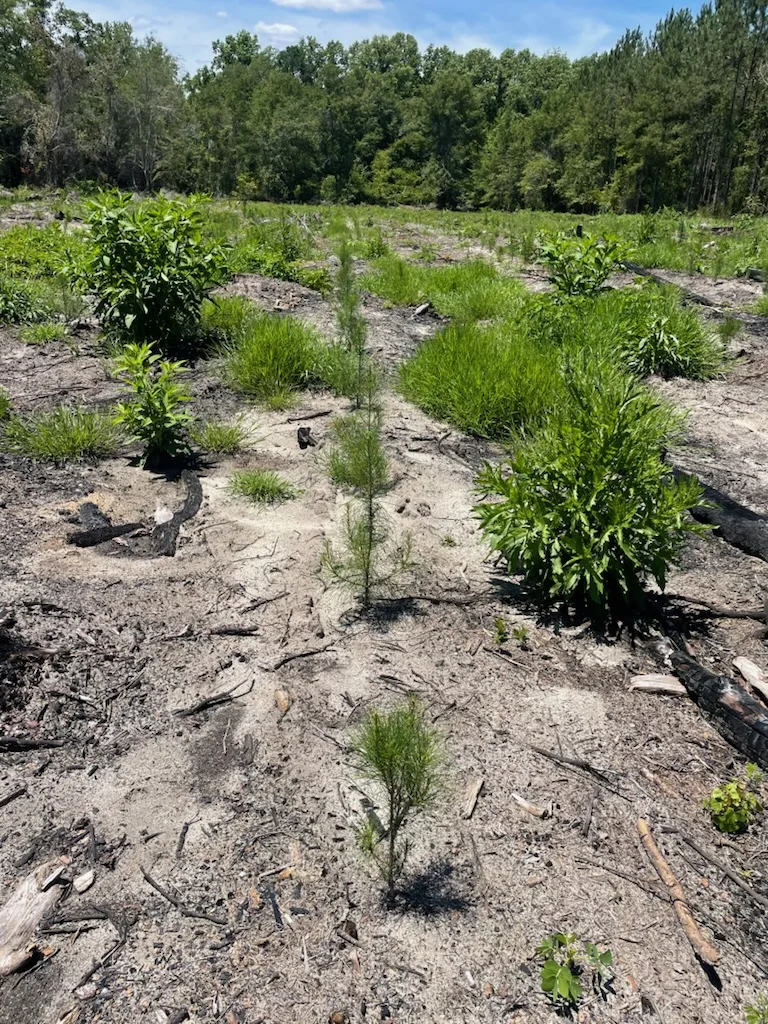
Brad reports 90% survival among his ArborGen seedlings despite severe drought – an encouraging result as he looks ahead.
He also values how Blake supported the process. Helpful guidance, timely responses to questions, and an efficient experience made working with ArborGen a positive part of the reforestation project.
That combination of seedling choices and responsive service matters to a landowner investing in the next generation of his forest.
Keeping the Land Forested
For Brad and Faye, replanting after Helene is part of a commitment that reaches beyond the current stand. Their work is helping return the land to production while supporting Brad’s goal of keeping it forested for generations to come.
The new planting, he says, “gives us hope for the future.”